

Tel:400-969-8588

Raceway grinding texture direction causes friction anisotropy in linear guides, leading to resistance fluctuation, reversal impact, contact posture changes, wear drift, and uneven lubrication.
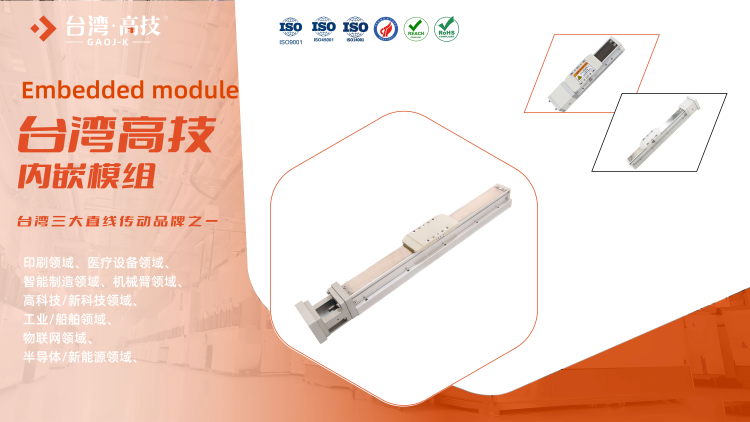
Compare cleanroom embedded linear module dust protection schemes from HIWIN, GAOJ-K, TOYO and PMI, covering sealing structures, particle generation control, maintenance and transmission parts selection.
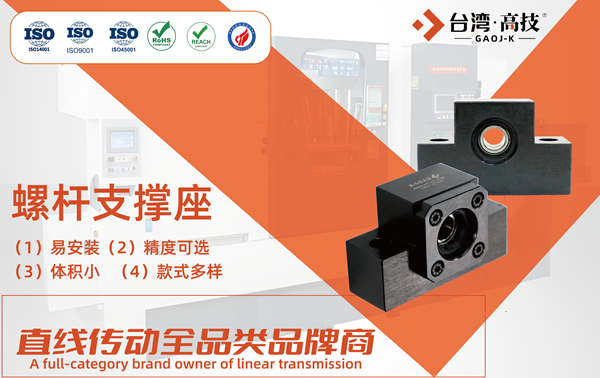
Screw support seat locking structures determine axial play suppression: paired angular contact bearings, controlled lock nut preload, set screw locking, and a floating support end for thermal growth.
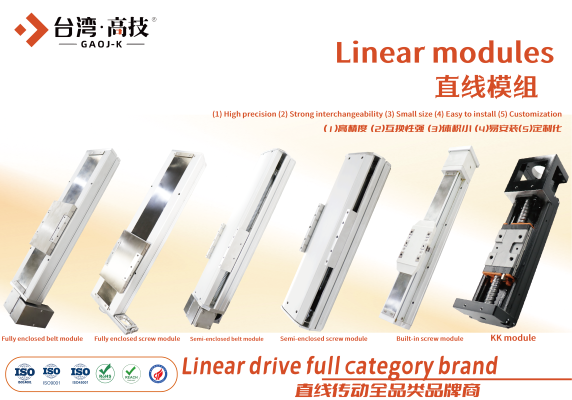
This scheme covers rigid base design, dual-rail multi-slider architecture, belt tension monitoring, sorting takt hot standby, and dust protection for stable multi-station synchronization.
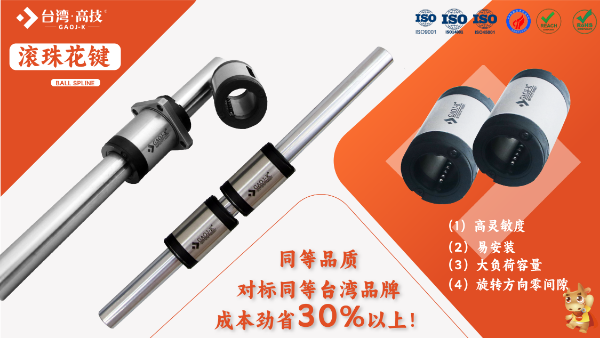
Light preload balances clearance and smoothness; medium or heavy preload suits impact, vibration, and moment loads; lubrication and alignment also determine smoothness.
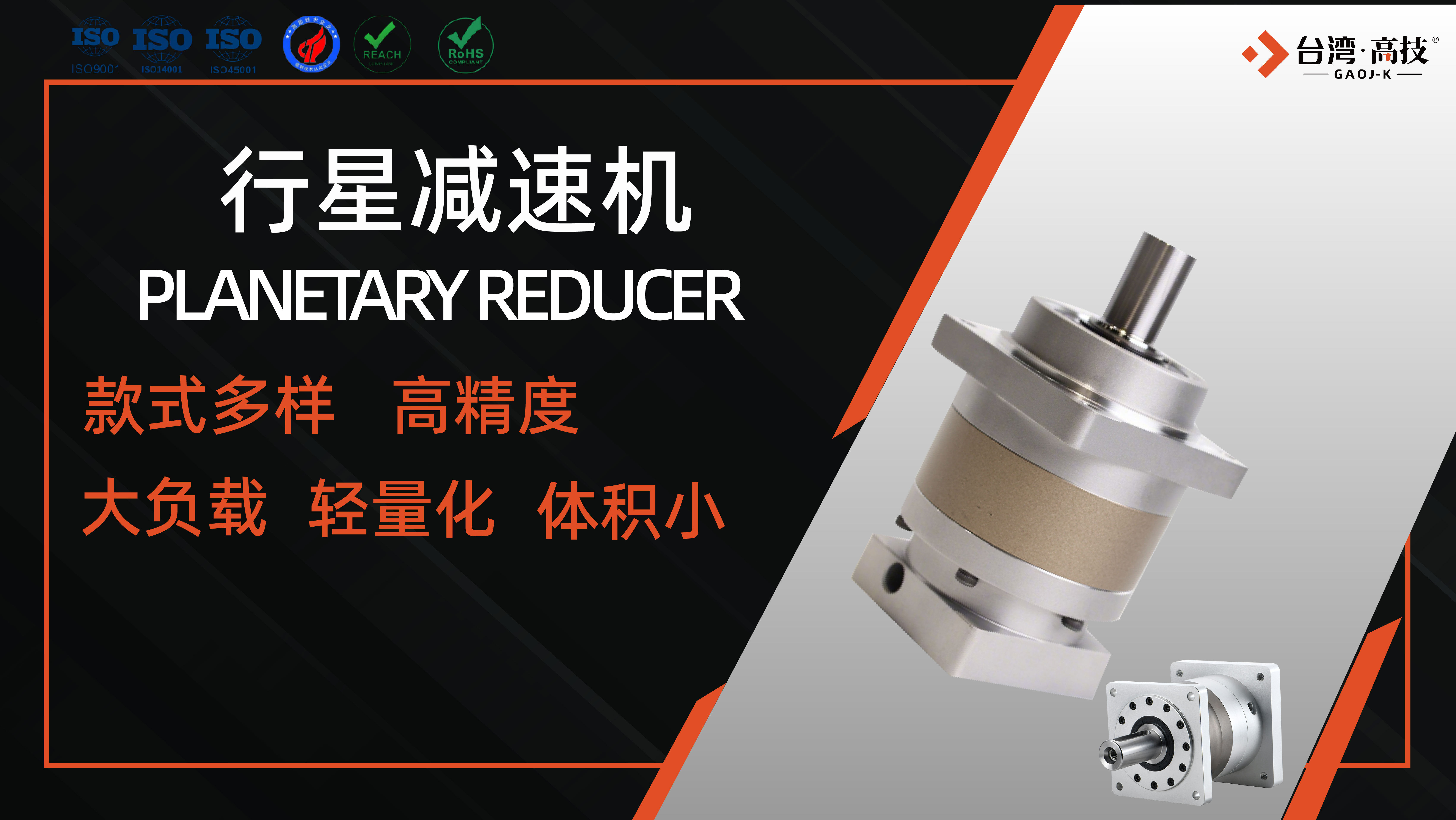
Judge reducer backlash by input angular displacement with output locked; match precision grades to machine tools, robots, and semiconductor stations, standard grades to packaging, economic grades to conveying.
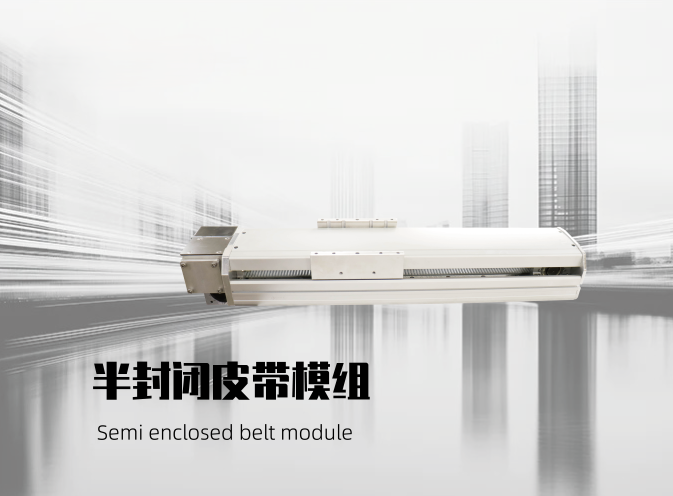
Semi-automatic labeling timing belt module noise control: calibrate tension and pulley alignment, optimize slider fit and servo S-curve, use low-noise transmission parts and damping mounts.
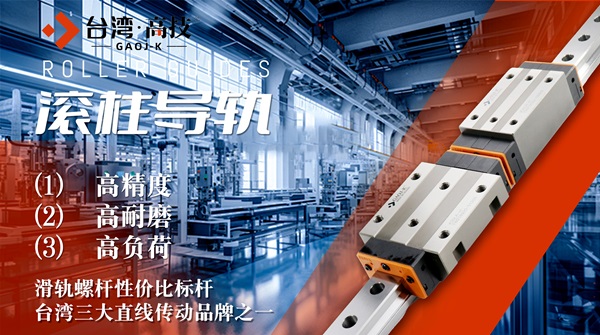
Roller guide wiper clearance should balance scraping and drag: avoid zero clearance, match material preload, verify light-push full-stroke contact, and keep wiper separate from wear compensation.
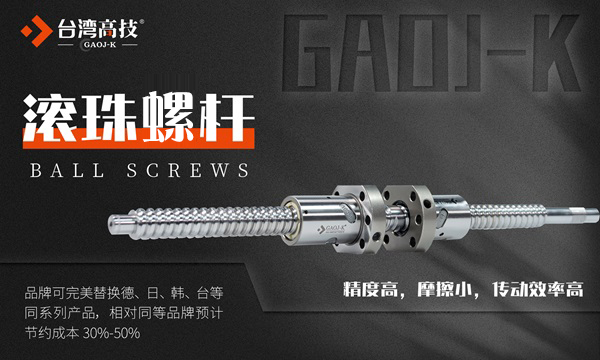
Top 10 ball screw module manufacturers for automation engineers: Japanese, German, Taiwanese and Chinese brands compared for precision, load, lead time, cost and transmission parts selection.
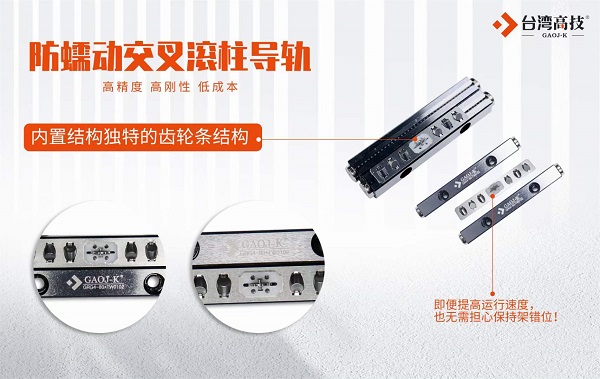
Single-row crossed roller guides suit compact four-direction loads; double-row parallel guides better resist overturning moments and impact, maintaining rigidity in high-load transmission parts.