


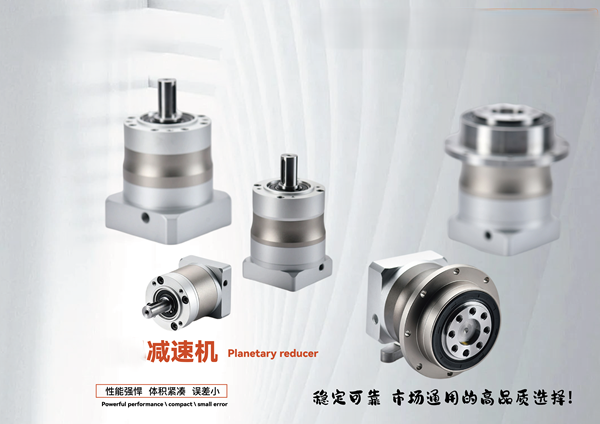
During operation of polishing production lines, dust spreads everywhere. Once the sealing of the reducer fails, tiny abrasives will mix with lubricating oil and invade the gear meshing surfaces, aggravating component wear, deteriorating oil quality and greatly shortening equipment service life. Applying dust-proof sealing powder is not merely installing dust covers, but building a systematic reducer sealing protection system covering shaft ends, shell joints and breather valves for reducers.
-
Optimize the reducer sealing structure to realize dynamic gas-solid isolation. Install multi-layer labyrinth seals and wear-resistant fluororubber oil seals at the joint between the reducer input shaft and shell. Meanwhile, feed clean air with slight positive pressure to form an air curtain barrier, preventing polishing dust from penetrating the equipment cavity via capillary action generated by shaft rotation, establishing the first line of reducer dust protection.
-
Build a graded pressure balancing system to restrain equipment breathing effect. Equip the box with bidirectional breather valves with dust filtering function and flexible diaphragm pressure compensation devices to cope with internal pressure fluctuations caused by temperature changes, avoiding inhalation of dust-laden air and perfecting the dust prevention scheme for reducers.
-
Adopt high anti-pollution lubricants and establish grease replacement mechanism. Switch to fully synthetic high-viscosity extreme pressure anti-wear grease with strong adhesion to reduce dust impacts; set up circulation channels for new and old grease to discharge invasive abrasive particles through micro replacement to complete reducer lubrication protection.
-
-
-
-
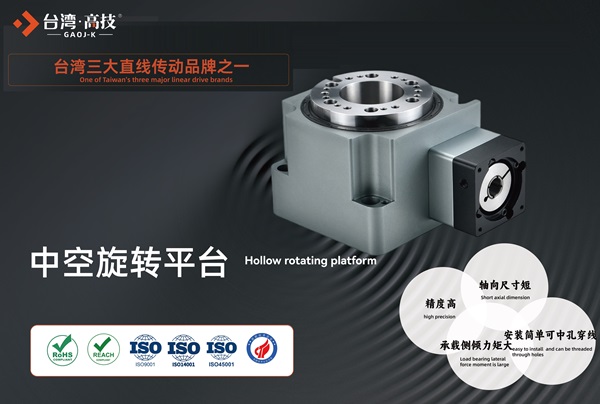
Strengthen performance of core friction pairs to improve wear resistance and self-lubrication. Conduct carburizing nitriding and ceramic coating hardening treatment on gears, bearings and other parts to resist abrasive wear; add solid lubricants to accessories to ensure normal operation even if the lubricating film fails.
-
Implement oil monitoring and carry out preventive maintenance for reducers. Install abrasive particle detection components on oil circuits to monitor wear conditions in real time, flexibly adjust replacement cycles of seals and lubricants according to on-site dust environment, and avoid sealing faults in advance.