


In heavy-duty smooth conveying applications, many machine designers blindly adopt high-preloaded linear guides, leading to unnecessary cost redundancy.
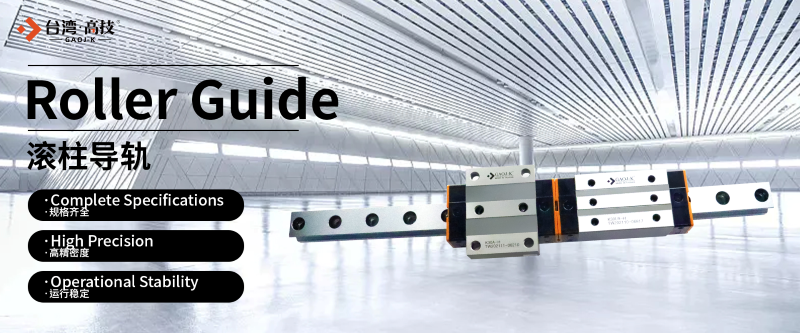
Non-preloaded roller guides can match actual working conditions and break the high-cost limitations of traditional selection methods. Proper matching based on conveying load characteristics can cut costs while guaranteeing stable operation.
-
Eliminate redundant safety margins
For steady, shock-free operating conditions, calculate parameters based on actual equivalent loads. Avoid oversized guides selected for rare extreme working conditions to directly reduce purchasing costs.
-
-
Select appropriate precision grades
Smooth conveying equipment has low requirements for positioning accuracy. Standard-grade guides instead of precision-grade products can greatly lower grinding and inspection costs and shorten delivery cycles.
-
-
Optimize slider layout to adopt smaller guide sizes
Adjust slider quantity and spacing to evenly distribute loads, enabling the use of smaller-size guides. The cost savings from reduced guide specifications far offset minor extra assembly adjustment expenses.
-
-
-
-
Simplify sealing and lubrication accessories
For clean or low-dust environments, remove complex scrapers and multi-layer sealing structures, retaining only basic dustproof parts and standard lubrication ports. This cuts component costs and reduces types of maintenance consumables.
-
-
Adopt domestic standard profiles
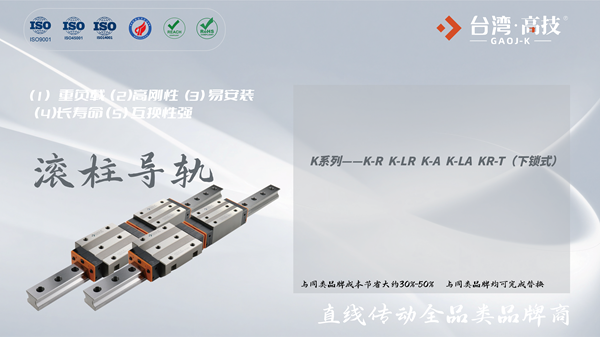
Roller guides from mainstream domestic brands fully meet steady load demands with obvious advantages in price and lead time. Using milled mounting surfaces instead of ground surfaces further reduces machining costs, and this solution can be standardized after small-batch verification.
-