


Most standard automated conveying stations tend to select ground splines directly, leading to excessive precision surplus and greatly raising overall equipment procurement costs. Combined with the features of stable and low-impact conveying working conditions, rolled splines can replace ground splines. They can systematically cut the comprehensive cost of components while ensuring stable equipment operation.
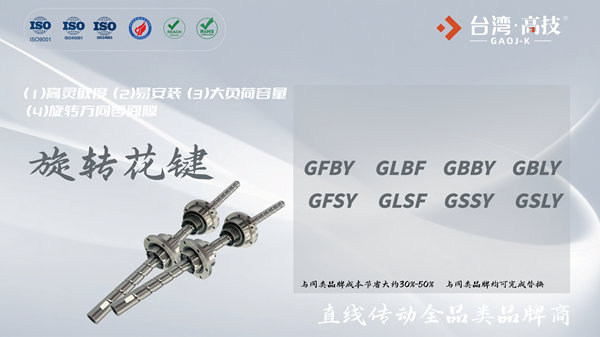
Rolled splines are formed by cold extrusion. Their continuous and intact metal fiber delivers higher tooth surface strength and high material utilization rate. Ground splines require multiple cutting and grinding processes with complicated working procedures and heavy raw material loss. Conveying equipment only needs to stably transmit torque and complete linear reciprocating movement. The working conditions feature small fluctuations of load and rotating speed. The precision of rolled splines can fully meet service standards without extra premium for high-precision grinding.
The rolling process supports high-speed automated mass production with consistent finished products and low rejection rates, resulting in lower unit production costs. Grinding processing is restricted by grinding wheel wear and manual adjustment. It contains numerous inspection procedures, leading to high comprehensive manufacturing and management costs.
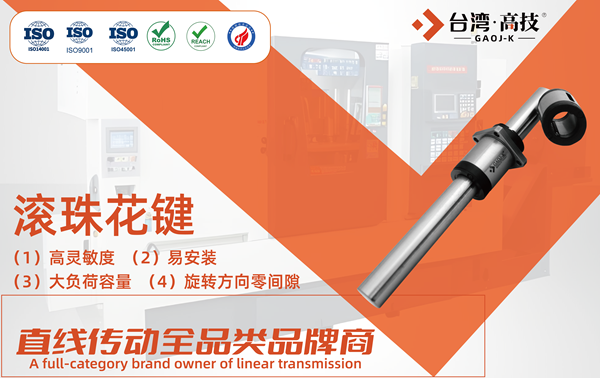
From the perspective of supporting parts and later maintenance, rolled splines match standard seals, bearings and universal accessories without customized high-precision supporting components. The surface compressive stress brought by forming can improve the resistance to fretting wear. Their service life in conveying scenarios is comparable to ground splines, which reduces types of spare parts inventory and long-term maintenance expenses.