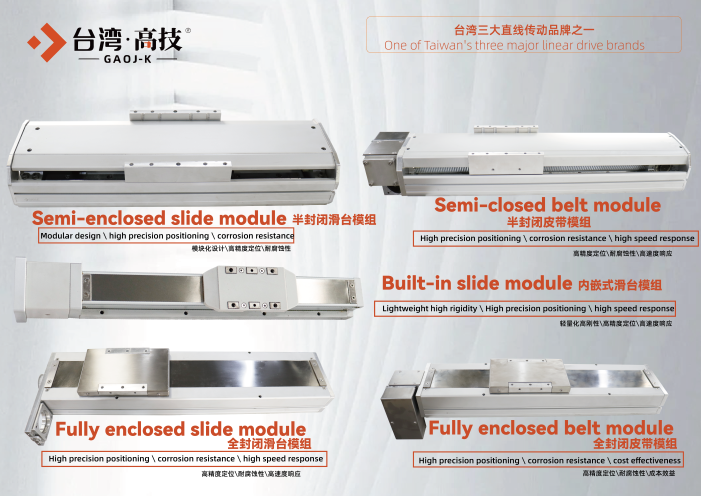


In the semi-enclosed operating environment of dust spraying production lines, heat dissipation conditions for timing belt modules have long been limited, and the belt temperature rise problem has gradually become a key factor affecting stable equipment operation. Ventilation optimization targeting the cover structure characteristics of printing conveyor equipment can improve the internal airflow state of the module without destroying the original sealing and protection capability, creating a more suitable operating environment for the timing belt. The optimization points are as follows:
-
Strictly control the rotational resistance of idlers and rollers. The main cause of temperature rise is not normal rolling friction, but the sharp increase in sliding friction caused by idler seizure or roller failure. High-sensitivity locked-rotor detection or low-resistance bearings can reduce abnormal friction heat from the source.
-
Dynamically optimize belt tension. Excessive tension directly aggravates shaft pressure and frictional heat generation. A mechanism that adaptively adjusts tension according to temperature or load should be introduced to avoid fixed tension over-pressing the belt and roller surface in the hot state.
-
Build directed heat dissipation paths rather than overall cooling. Independent air-cooling or water-cooling circulation channels should be set at the belt return section or heat accumulation areas to remove heat rather than rely on natural convection in the workshop environment, especially for local forced heat exchange of the high-temperature belt section after drying.
-
Use low-heat-generation belt surface materials. A low-friction-coefficient coating or modified polyurethane layer should be introduced at the belt-roller contact interface to reduce interfacial shear heat generation, while reducing cover rubber thickness to facilitate outward conduction of internal heat.
-
Residual heat management after shutdown cannot be ignored. After locked-rotor or high-load shutdown, heat at the contact surface will rapidly reverse-penetrate into the belt. Delayed cooling or separation of roller-belt contact should be linked in the shutdown logic to prevent heat accumulation from causing local aging and deformation of the belt.
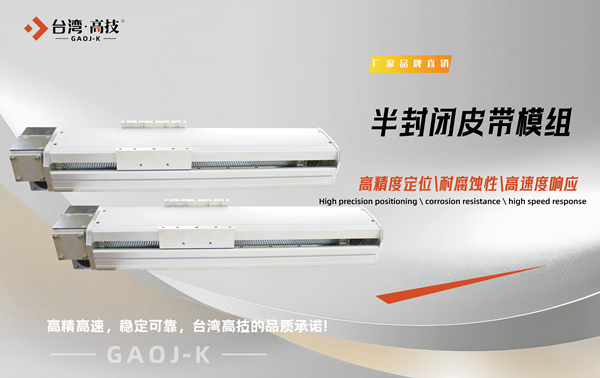
From actual working-condition feedback, targeted optimization of the cover ventilation structure not only retains the original dust-proof protection advantages of the semi-enclosed module but also effectively dissipates accumulated heat generated during operation. This type of modification approach requires no major changes to the main module structure, can provide more reliable support for the long-term stable operation of timing belts, and is suitable for more industrial conveying scenarios with cleanliness requirements.