


Backlash is an important indicator determining equipment repeat positioning performance. During selection, we cannot rely solely on parameters; instead, we need to combine the overall precision requirements of the transmission chain, load motion characteristics, and long-term operation stability requirements to complete grade determination and scenario matching.
The core of determining reducer backlash grade is: with the output end locked, apply a very small percentage of rated torque to the input end in forward and reverse directions, and measure the small angular displacement generated at the input end. The smaller this angular displacement, the higher the precision grade.
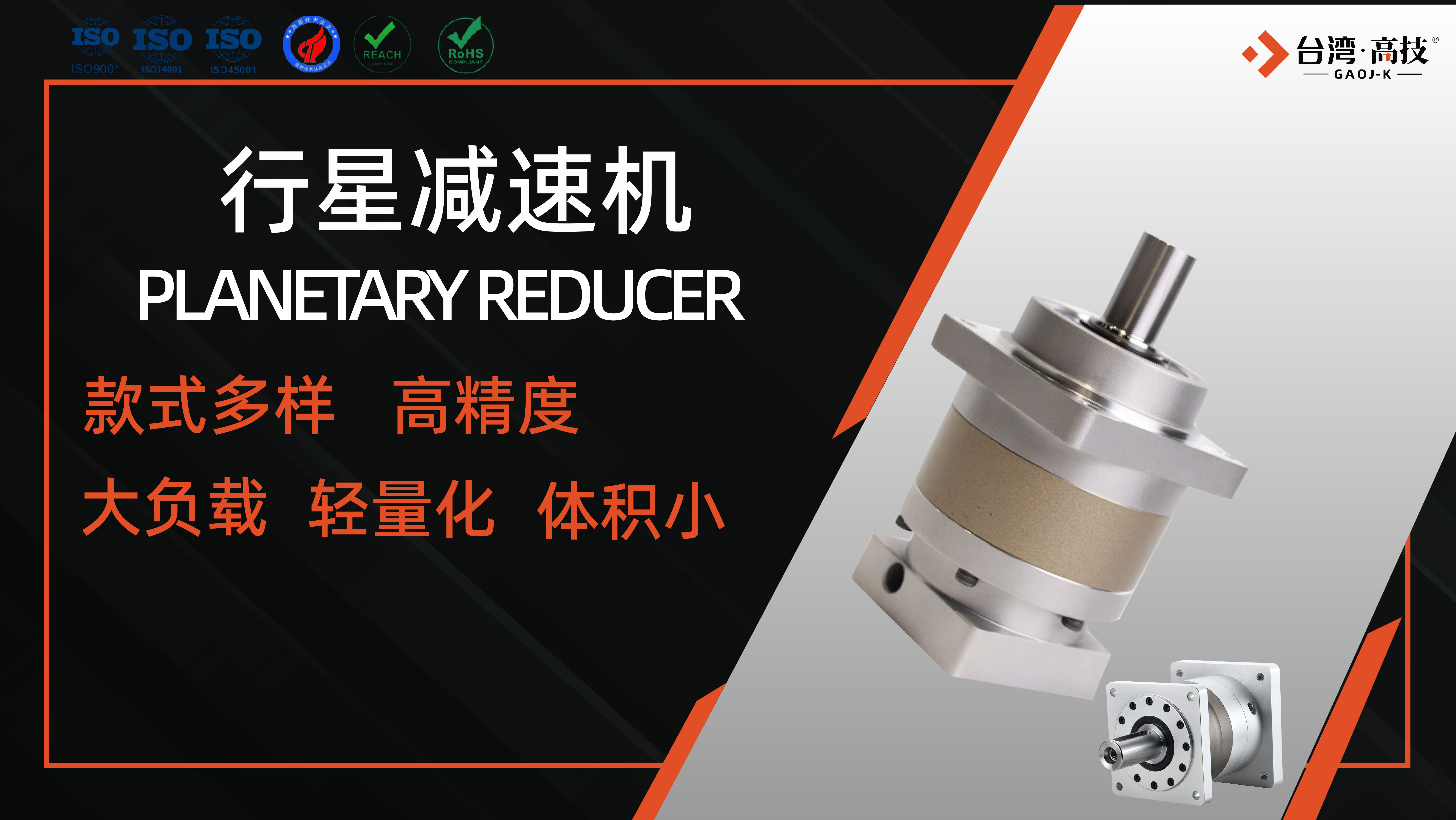
For automation stations such as CNC machine tool feed axes, robot joints, and semiconductor wafer transfer stations that require micron-level repeat positioning or high-frequency forward/reverse switching, they should be classified into the precision grade or ultra-precision grade backlash category. At the moment of reversal, this directly appears as tool marks or gripping offset, so reducers with extremely small backlash must be selected.
For general automation positioning stations such as sealing and cutting shafts of packaging machinery and indexing tables of general assembly lines, selecting standard precision grade backlash can control costs while avoiding excessive precision. Under such working conditions, GAOJ-K's combinations of reducers and slide modules can better match the backlash stability requirements under continuous operation.
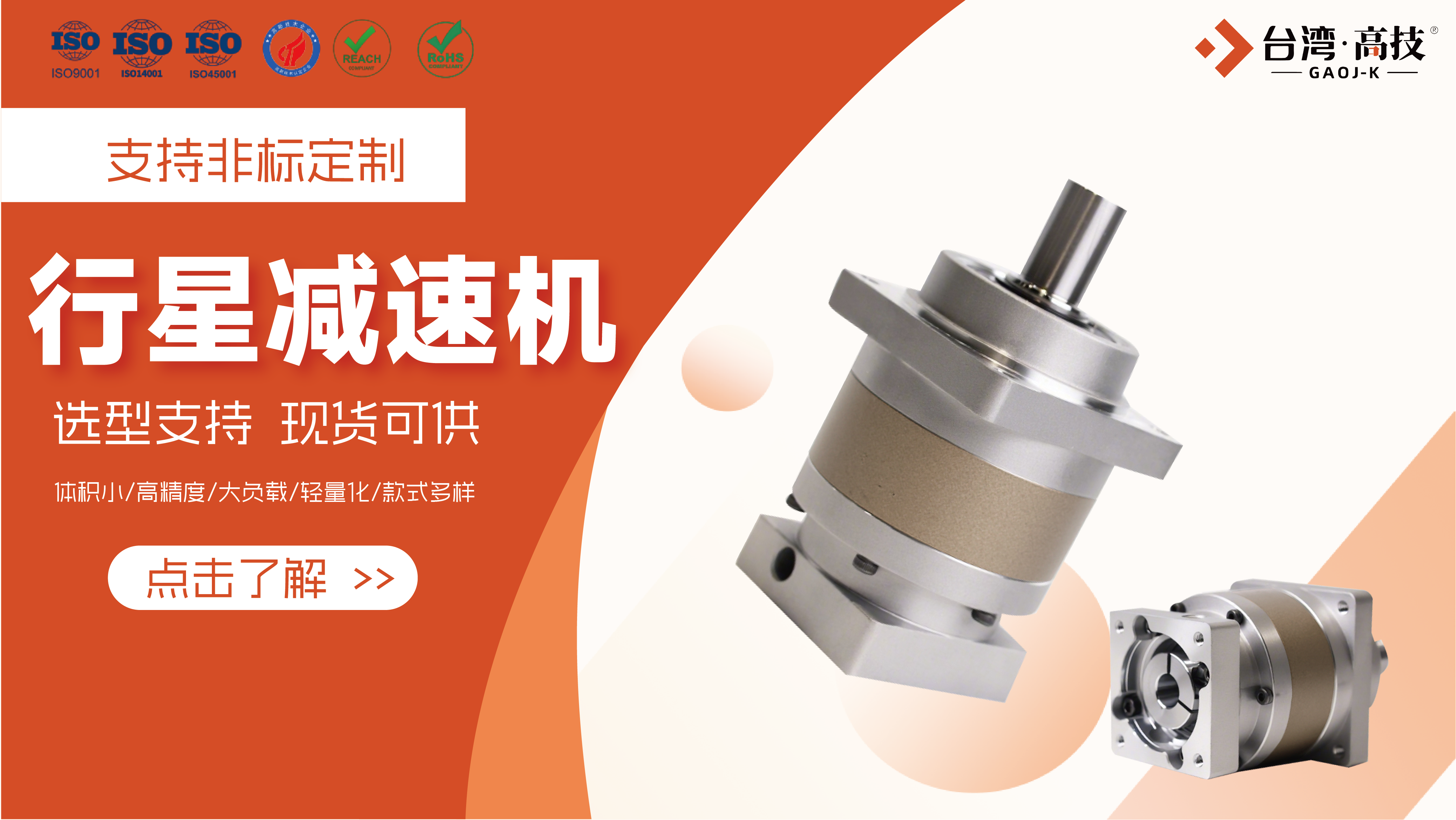
For pure power transmission or conveying stations that are insensitive to return clearance, such as mixing equipment, belt conveyor lines, and general material handling mechanisms, industrial standard grade or economic general grade backlash should be selected. Excessive pursuit of low backlash will instead increase unnecessary procurement costs. In emerging automation links such as photovoltaic module transfer or energy storage PACK assembly, GAOJ-K's transmission solutions cover multiple backlash grades from precision positioning to power transmission, making it convenient for equipment manufacturers to perform graded configuration according to the actual requirements of each station.
Reasonably defining backlash grades and matching them to corresponding stations can avoid precision drift and operating vibration caused by excessive clearance, and can also prevent cost redundancy and abnormal gear wear caused by excessive pursuit of ultra-low backlash, allowing the transmission performance of each reducer to form optimal adaptation with the production scenario.