


Medical transmission components are constantly exposed to cleaning, disinfection and humid surroundings, where salt spray corrosion and fretting wear constitute two major failure causes. The core selection principles are as follows:
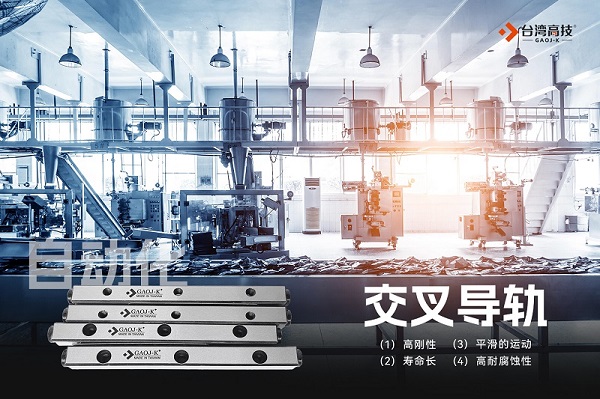
- Corrosion resistance takes precedence over wear resistance: Disinfectants in medical salt spray environments are corrosive. High wear resistance becomes worthless if the coating fails to block corrosive media, so corrosion resistance shall be the primary screening standard.
-
- Coating compactness dominates anti-corrosion performance: The salt spray barrier performance of DLC coatings relies not on thickness or hardness, but on the density of internal defects such as pinholes and microcracks. Metal-doped composite DLC or gradient multi-layer structures are preferred. Though slightly lower in hardness, they effectively block corrosion penetration and improve long-term protection.
-
- Substrate corrosion resistance acts as the safety bottom line: Coatings inevitably suffer partial damage during long-term service, so substrates need inherent anti-corrosion performance as the last defense. Martensitic stainless steel boasts high load capacity and wear resistance yet poor pitting resistance; precipitation-hardened stainless steel features moderate hardness and secondary protection once coatings break. Do not sacrifice substrate passivation for ultra-high hardness.
-
-
-
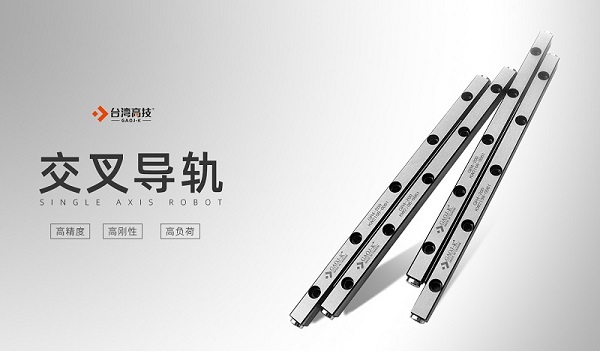
- Full protection for the entire friction pair: Unprotected rolling elements will rust, and abrasive rust debris scratches guide rails. Both guides and rollers shall adopt a unified anti-corrosion solution.
- Heat treatment compatible with coating adhesion: High-temperature quenching weakens coating bonding force. Moderately reduce substrate hardness to match deposition temperature to prevent coating peeling.
-
- Moderate surface roughness: Mirror polishing reduces medium accumulation but lowers coating anchoring force; excessively rough surfaces cause uneven coating coverage and pitting. Medium smoothness balances adhesion and easy cleaning of corrosive residues.
- Matched thermal expansion coefficients: Alternating temperatures from damp heat sterilization create thermal stress gaps between coating and substrate, generating microcracks for corrosion invasion. Select material pairs with similar thermal expansion coefficients; minor wear loss is acceptable for long-term structural stability.
-
For cross roller guides under salt spray conditions, neither coating nor substrate alone can deliver ideal performance. Long-term reliability requires coordinated performance of DLC coating hardness and substrate corrosion resistance. Material combinations determined by salt spray test data are the optimal solution for durable medical transmission parts.