


Under high-speed reciprocating conditions, grease replenishment for ball screws in many production lines is decided entirely by experience. Either too much grease is injected and causes abnormal temperature rise, or the replenishment interval is too long and the raceway is worn, causing accuracy to drop much faster than expected. By calibrating the grease replenishment cycle and injection volume according to the actual operating characteristics of temperature rise changes, it is possible to escape the misunderstanding of blind operation and keep the lubrication state always aligned with the real needs of the equipment.
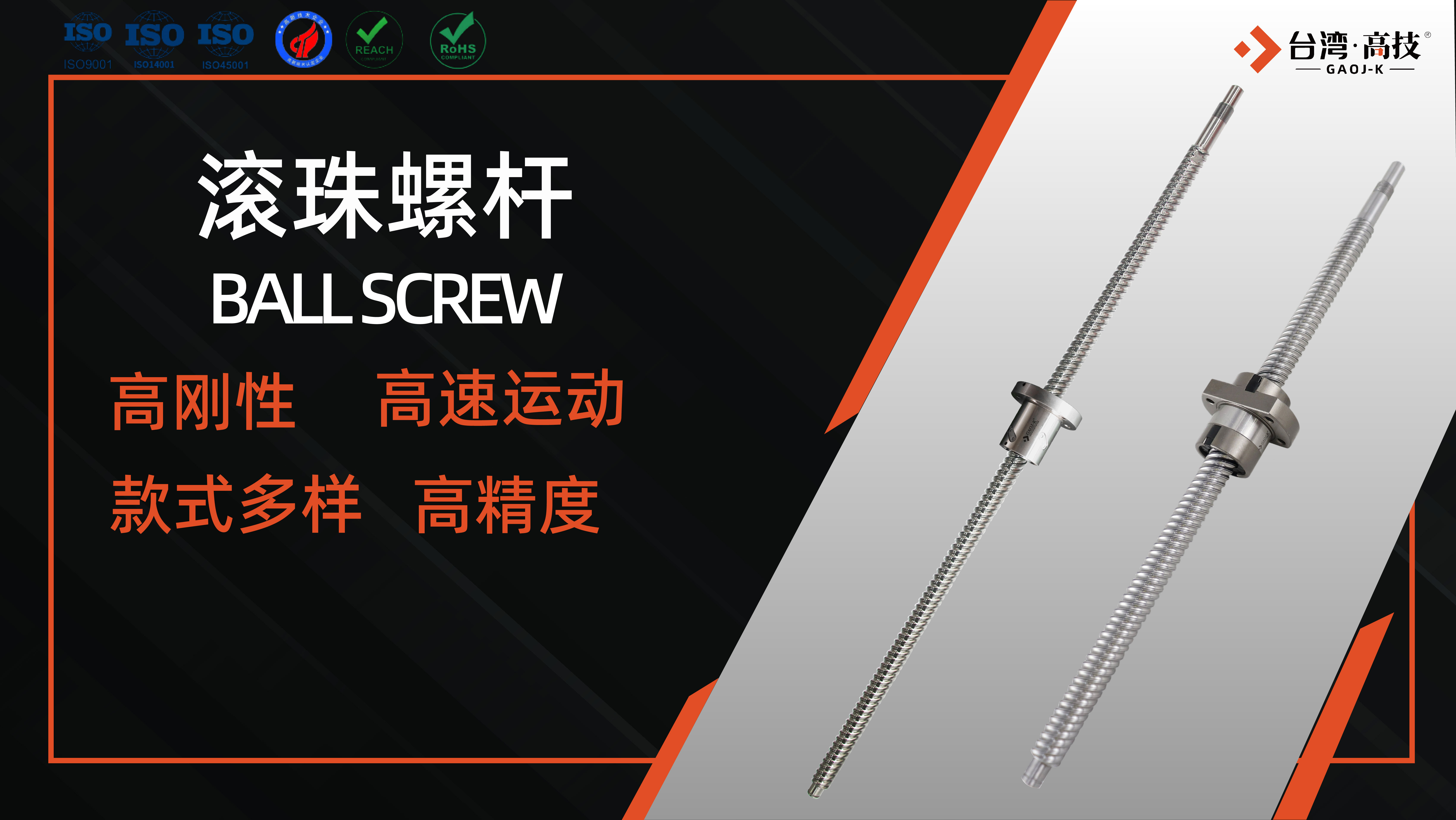
The root cause of disordered grease replenishment lies in the disconnection between the supply rhythm and the actual demand of the screw. Blind grease replenishment easily causes local accumulation or dry friction, which in turn triggers temperature rise fluctuations. Using temperature rise calibration as the judgment baseline for grease replenishment control is more reliable than relying solely on grease volume or pressure feedback, because it directly reflects the true thermal state of the screw pair.
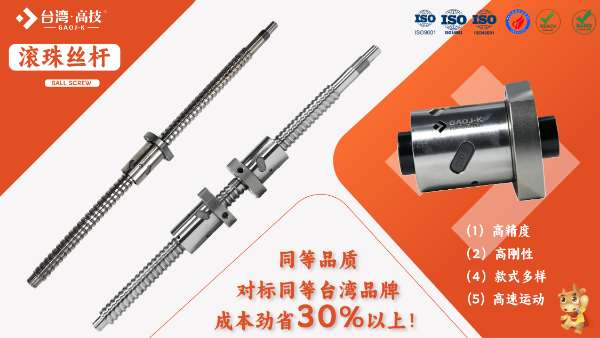
-
Segmented calibration should be divided according to the functional zones of the screw. The feed section, compression section, and metering section should each have their own temperature rise observation windows, avoiding a uniform threshold across the whole section that masks local anomalies and making it easier to locate the specific zone where grease replenishment disorder occurs.
-
Point-by-point collection requires selecting representative measuring points within each section, covering key positions such as the screw groove root, barrel inner wall, and screw core. Measuring points must remain fixed to ensure longitudinal comparability of calibration data. Temperature rise curves should be collected before and after grease replenishment to observe response differences.
-
Grease replenishment timing should be inferred backward from temperature rise calibration results, rather than blindly replenishing according to a fixed cycle. When temperature rise deviates from the calibration baseline, an inspection should be triggered to confirm whether the cause is excessive grease, insufficient grease, or uneven distribution, and then the greasing action should be adjusted accordingly.
-
Calibration maintenance requires regular review of the temperature rise baseline at each section and each point, and updating calibration values as the screw wears and working conditions change. Baseline drift itself is a signal of a change in the state of the grease replenishment system and should be included in daily inspection to form a closed loop.
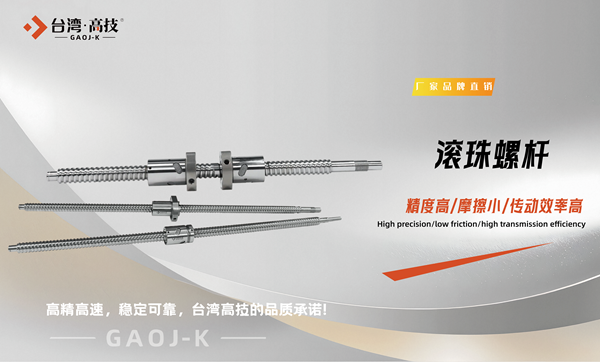
In summary, by establishing a comparable and traceable thermal state baseline through segmented and point-by-point temperature rise calibration, grease replenishment control has a basis to follow, and high-speed screw operation becomes more reliable.