


In the light-load high-speed operation scenario of semi-automatic labeling equipment, abnormal noise from the timing belt module not only disturbs the working environment of the labeling station but may also be an early signal of precision instability in the transmission system. Targeted practical noise control is a key link for balancing equipment operation efficiency and labeling quality. The practical points are as follows.
1.Prioritize checking belt tension and pulley meshing condition. Under light-load conditions, excessive belt tension easily causes high-frequency squeal, while insufficient tension leads to slapping vibration. During debugging, a tension meter should be used to calibrate to the middle range, and the axis parallelism of the driving and driven pulleys should be ensured to avoid periodic abnormal noise caused by meshing deviation.
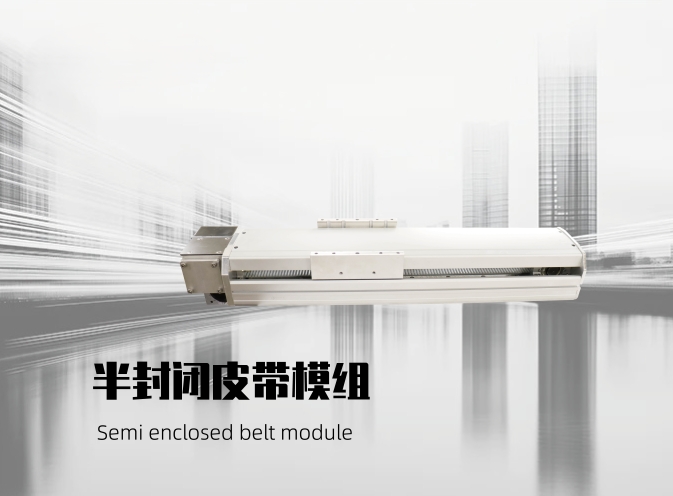
3.Optimize servo drive parameters to avoid resonance. An overly steep acceleration/deceleration curve will excite structural resonance between the frame and the belt. In practice, acceleration and deceleration should be set to S-curve smooth transition, and gain should be appropriately reduced so that reversing impact is flexibly absorbed, significantly reducing instantaneous noise peaks.
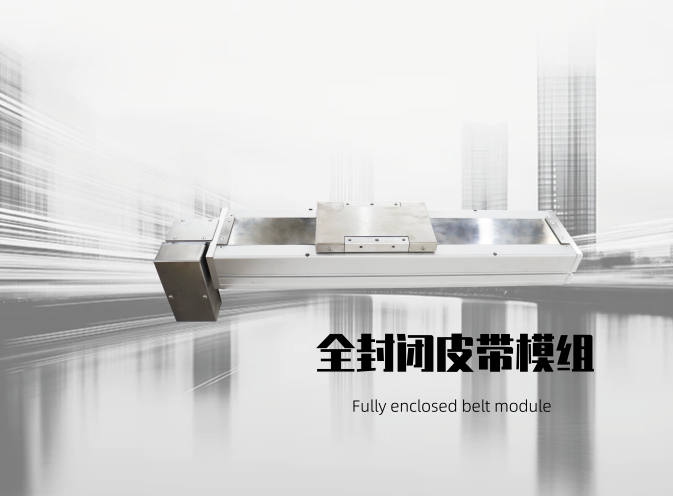
5.Cut off the transmission path of vibration to the frame. Installing vibration damping pads or flexible mounts on the module mounting base, selecting a quiet-type cable carrier, and reserving a reasonable bend radius can effectively isolate structure-borne sound and prevent noise from being amplified and resonated by the labeling machine's sheet metal enclosure.
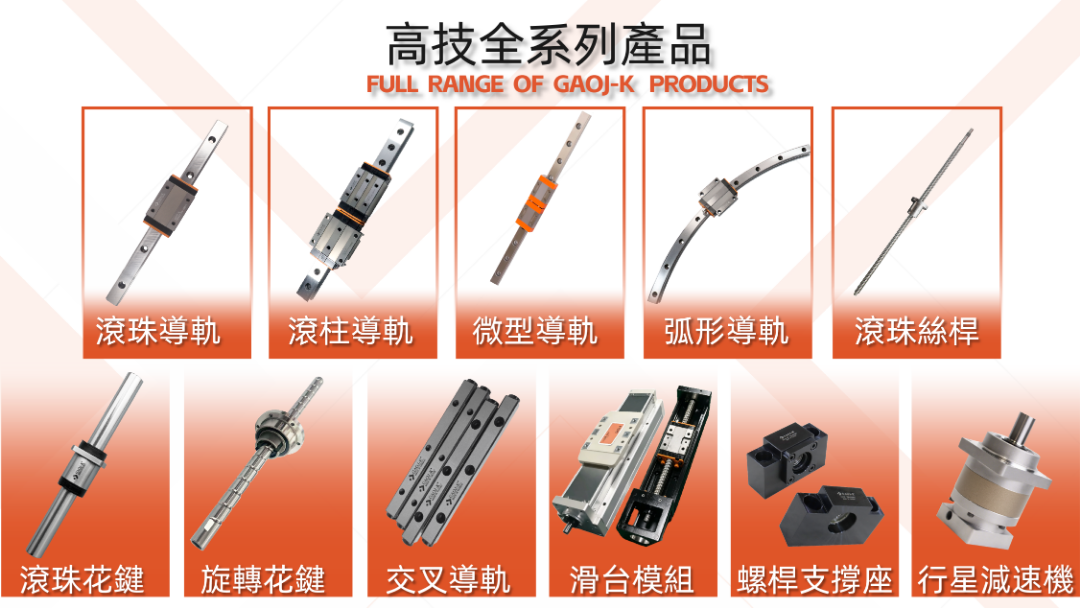
After the full-process practical noise control from meshing condition calibration to component precision optimization is implemented, the timing belt module can always maintain a smooth and low-noise operating state, and solid support can be provided for semi-automatic labeling equipment to stably output high-precision labeling results over the long term.